I starting written this recap months ago and finally finishing it as I’m still reeling from the experience. In March I attended the Craft Maltsters Guild 2023 Craft Malt Con in Portland, Maine. Jesse Bussard, the Executive Director, wrote a wonderful recap of the event. I got to meet maltsters, farmers, brewers, distillers, academics, journalists, and from across the US, Canada, France, and elsewhere. While everyone’s backgrounds and experiences were wildly divergent, we all agreed on the same core beliefs that craft malting is more sustainable for all involved (growers, maltsters, producers, consumers, and communities) and creates better-tasting end products.
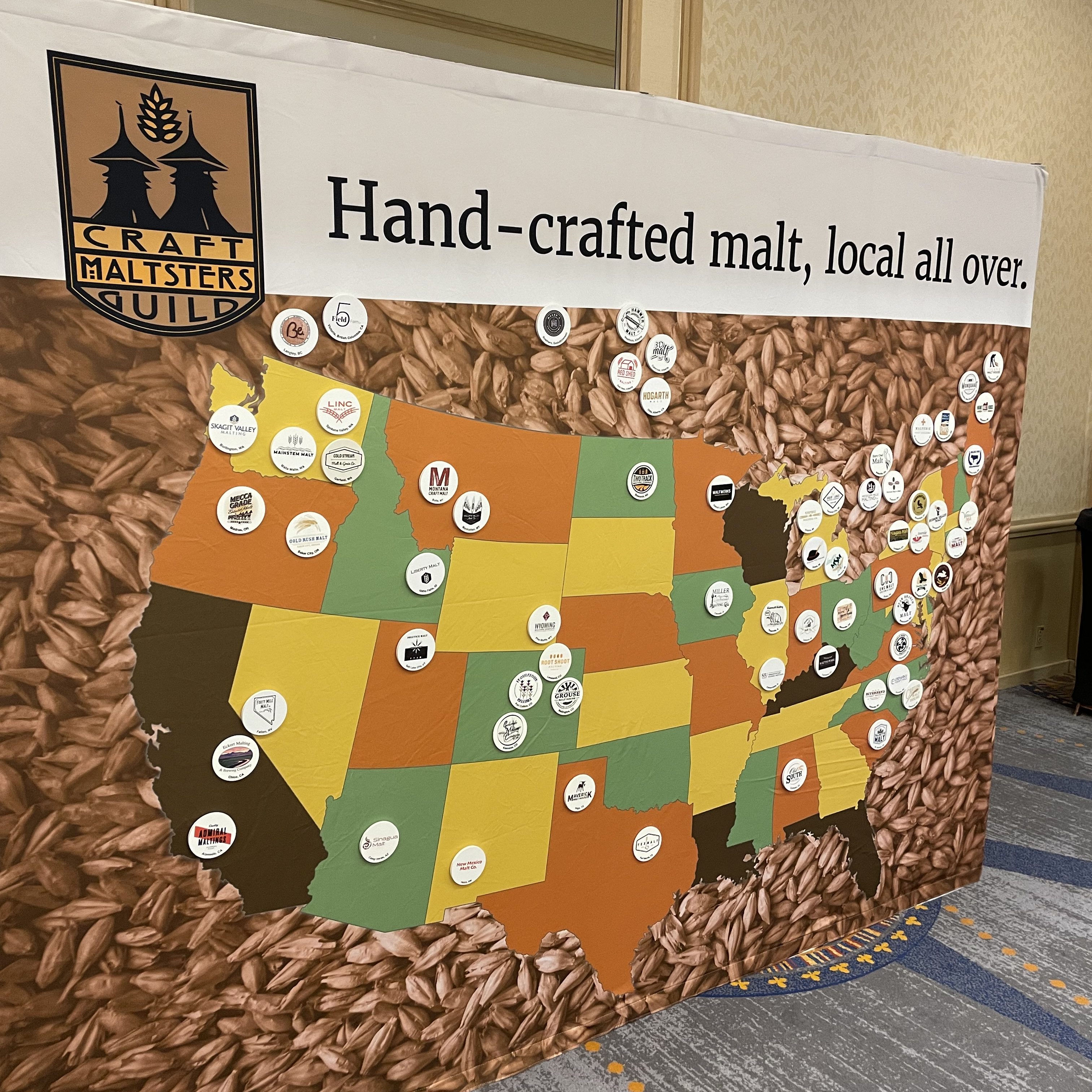
I attended informative and inspiring panels on the terroir of whisky, craft malting in Maine, barley agronomy, business-to-business marketing, how barley growth trials influence beer flavor, craft beer and craft spirits industry updates, communicating with media, and breeding malting barley in non-traditional regions. There were other sessions as well that I unfortunately missed, like the American Single Malt Whiskey Commission (which sounds awesome!). In between I sampled some wonderful Maine-grown and -brewed beers that featured craft malt and got to chat with folks. It’s fascinating how everyone’s story started in different places but converged on the craft malt industry (think third-generation farmers vs non-profit community developers both turned maltsters). The craft malt industry is welcome to all, and the conference organizing committee reflected that by incorporating the #NotMe app, offering scholarships for attendees, and having a virtual attendance.
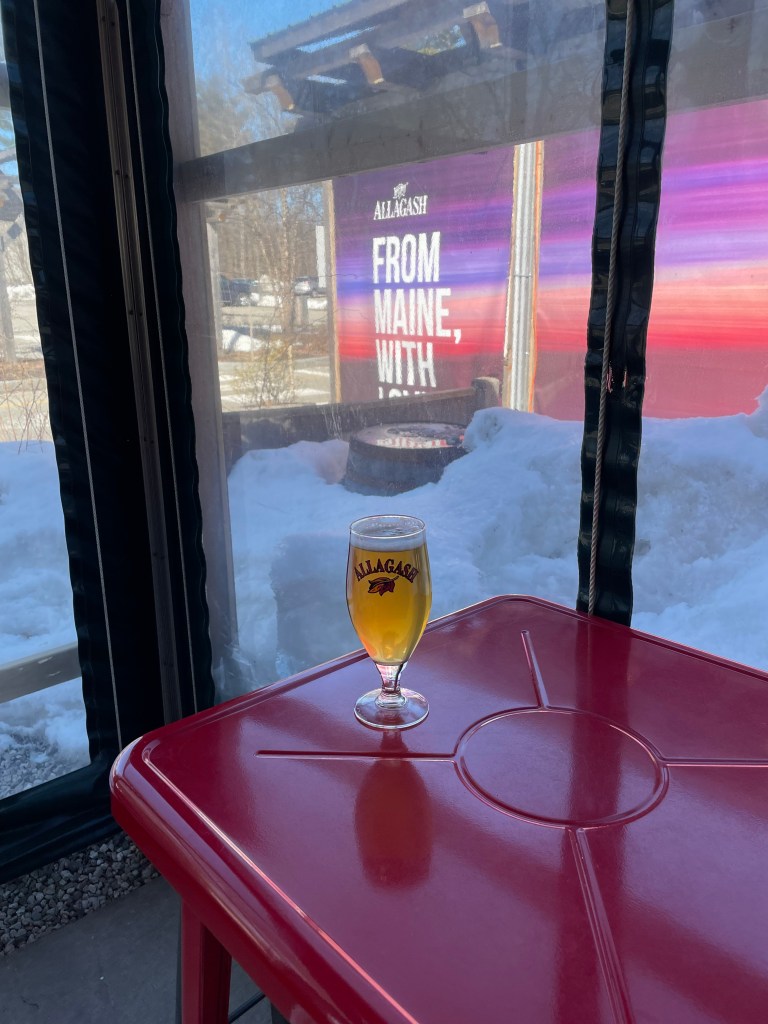
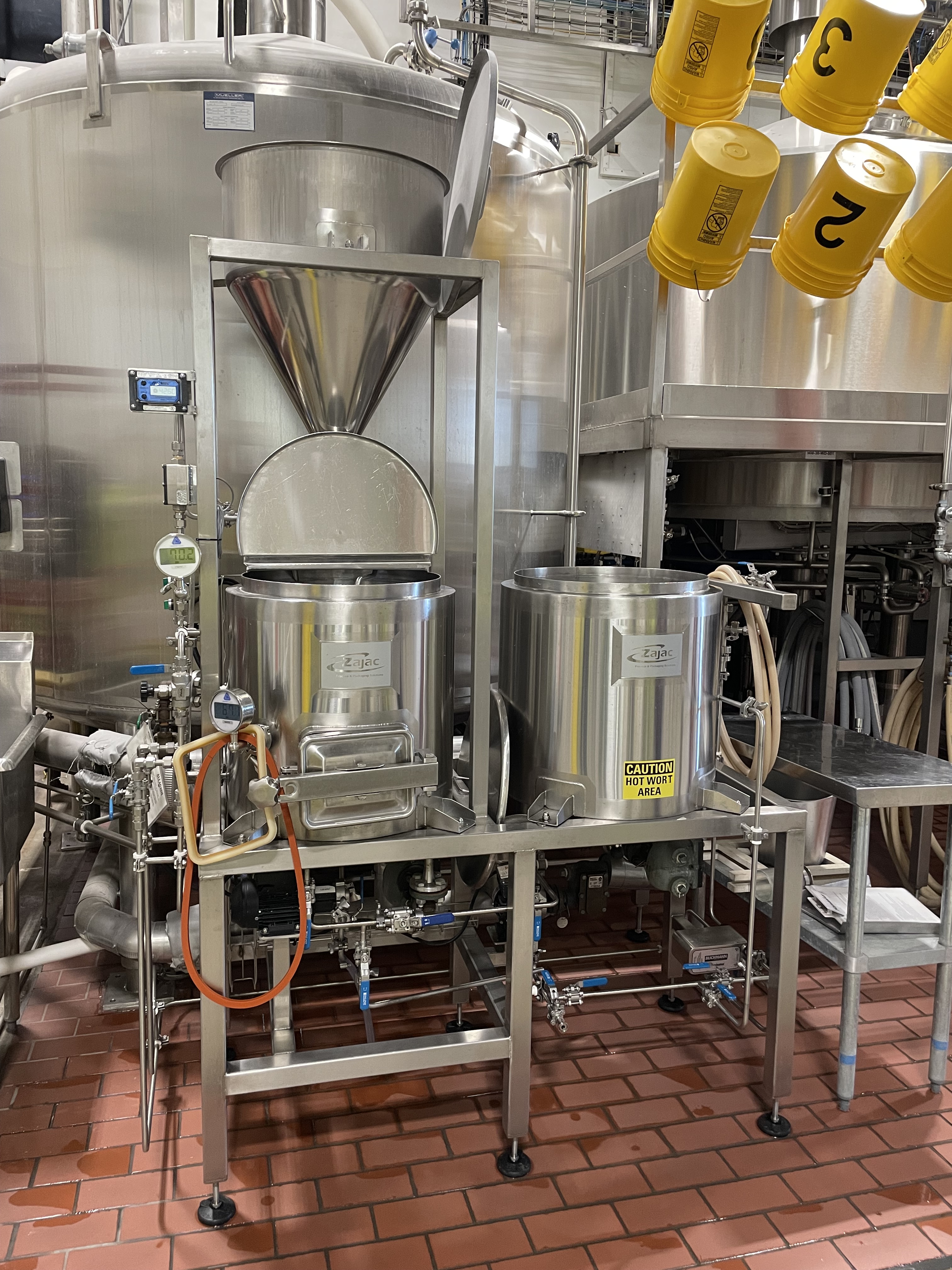
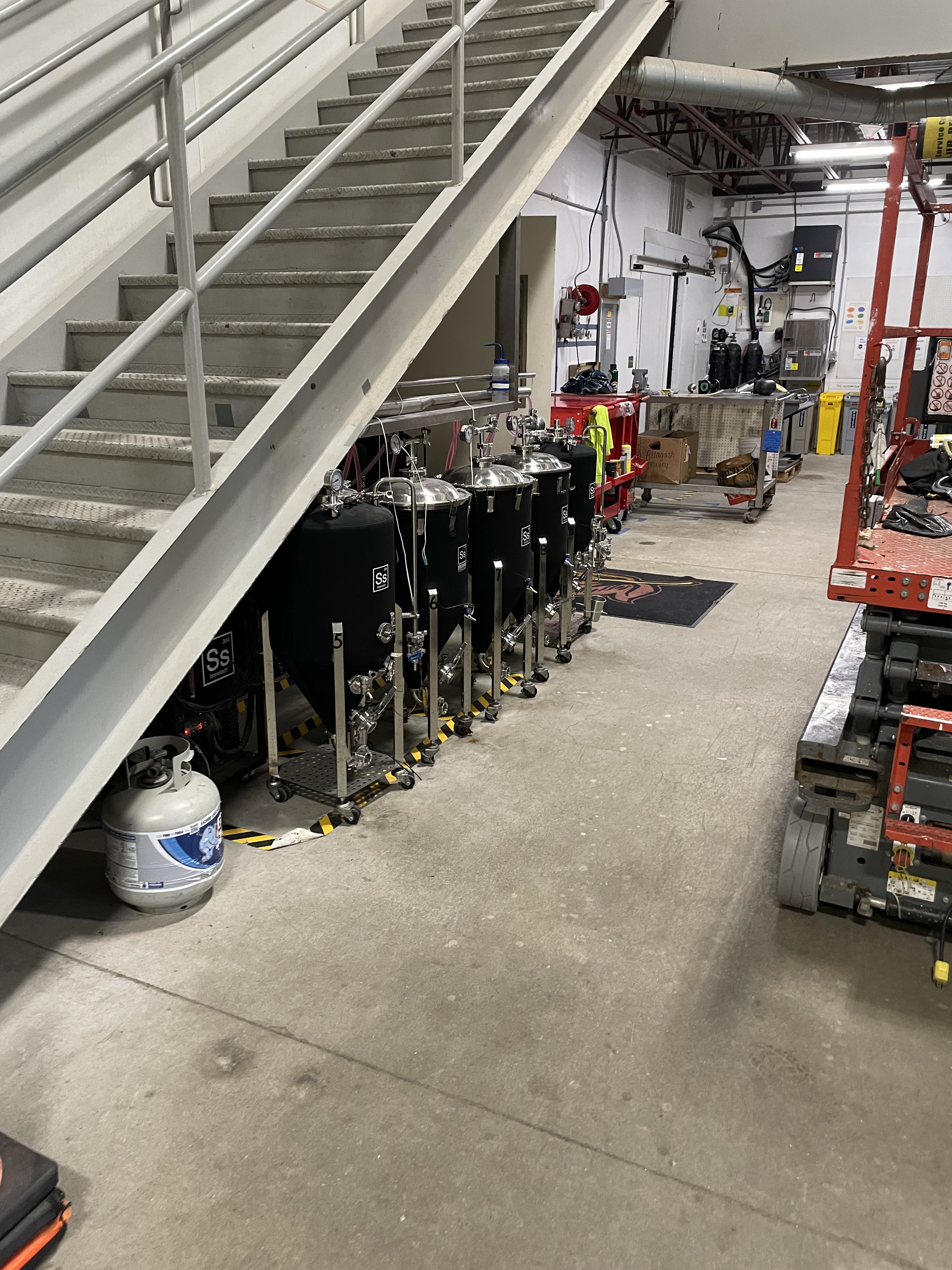
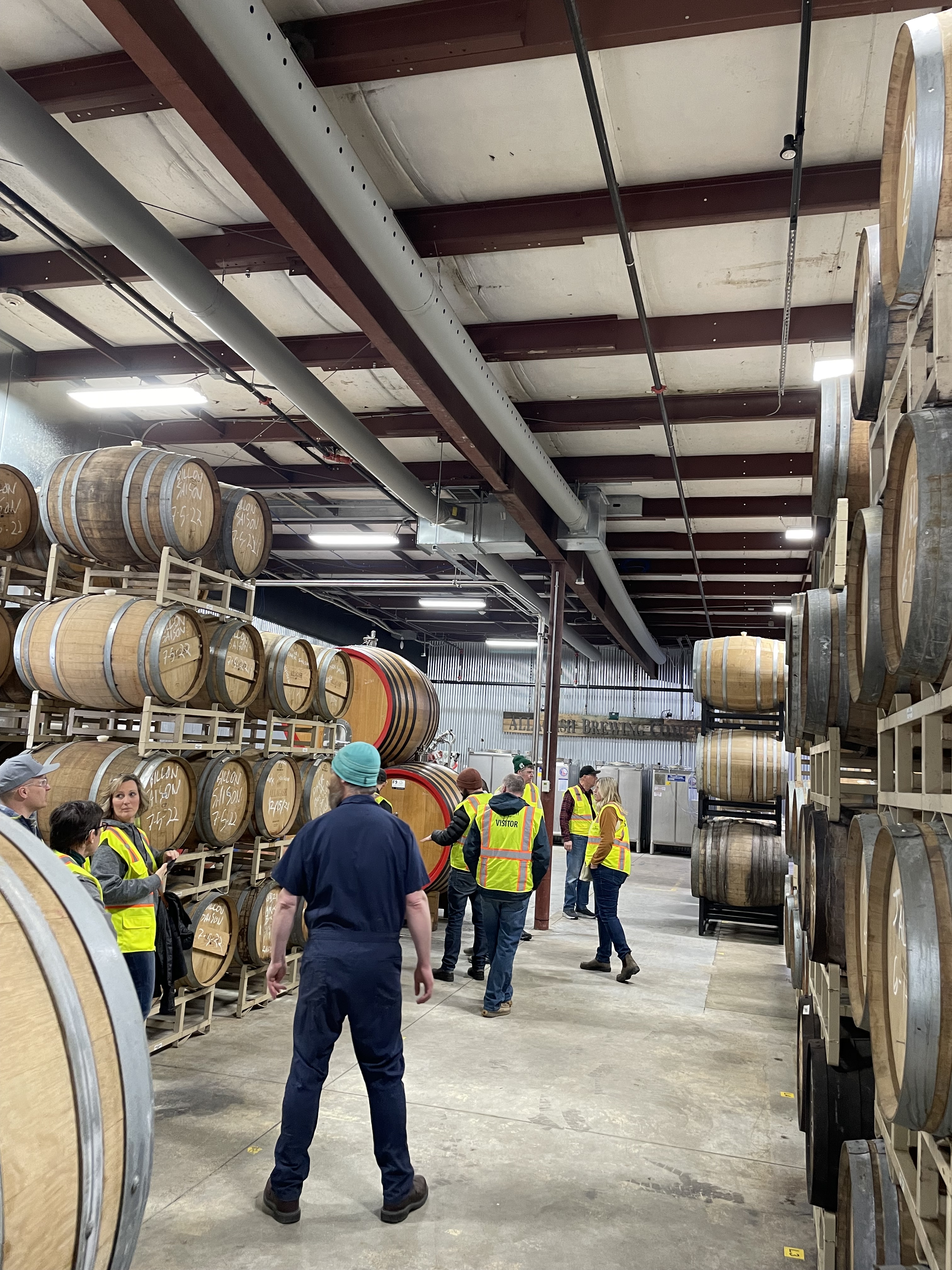
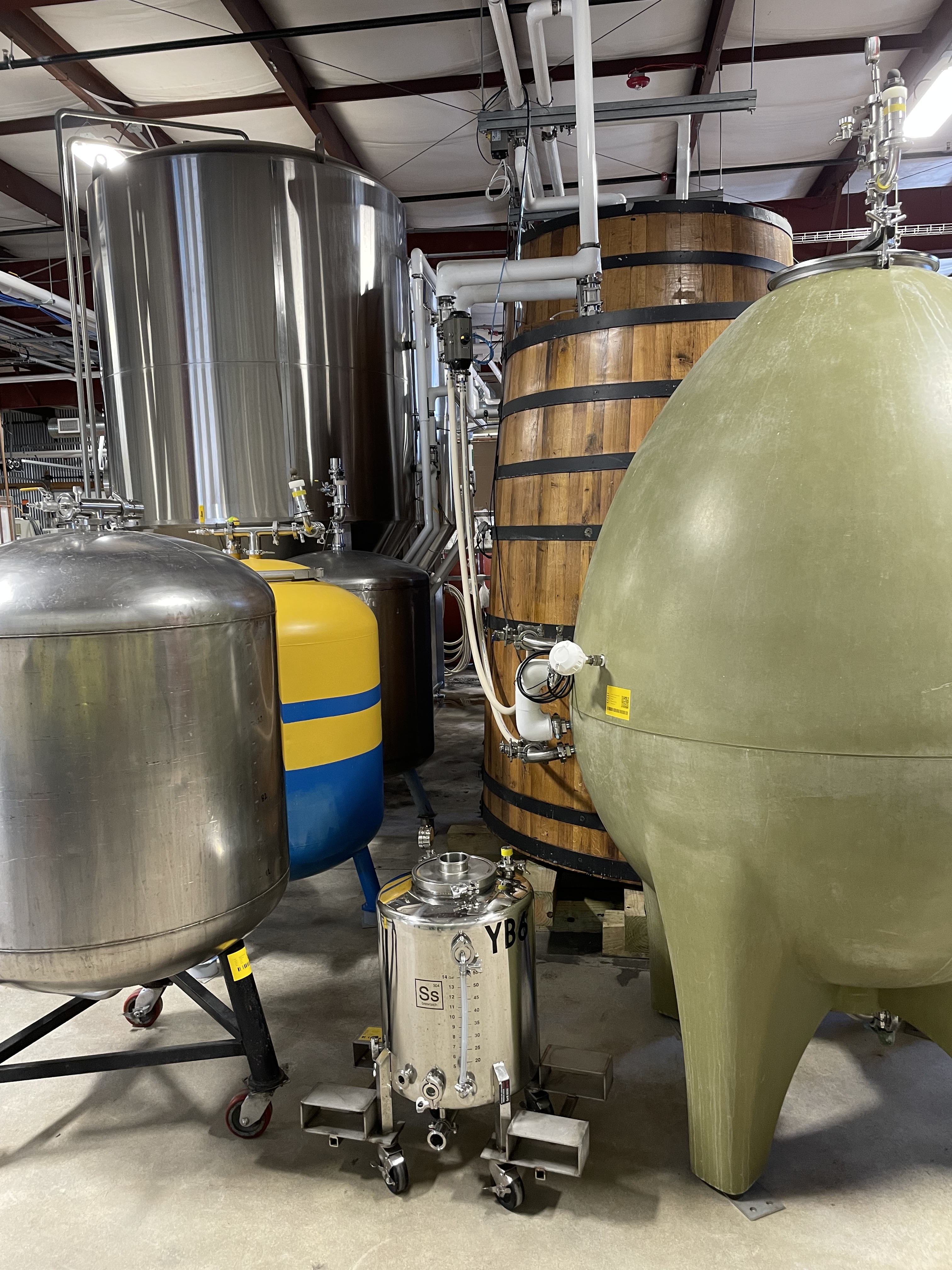
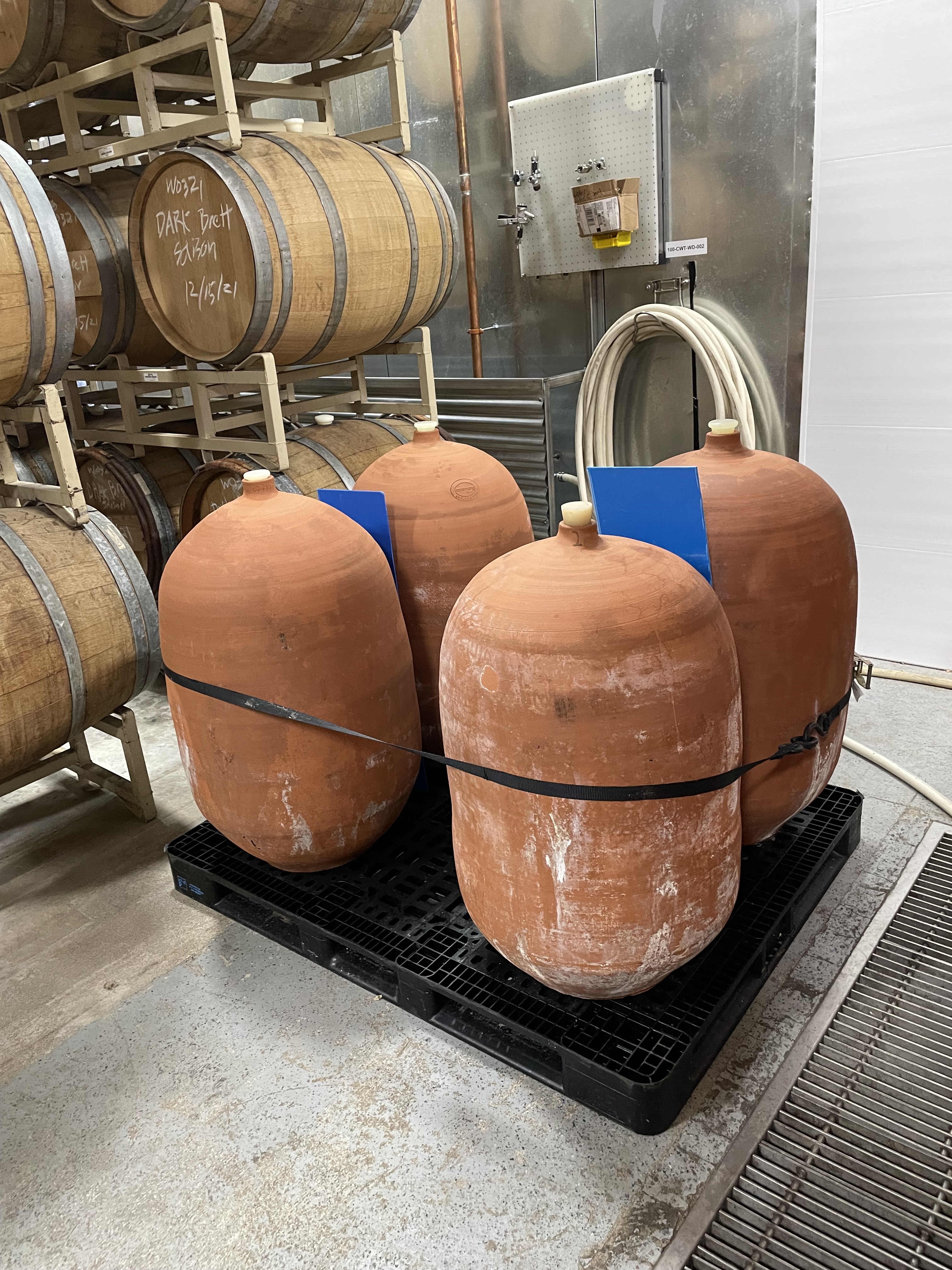
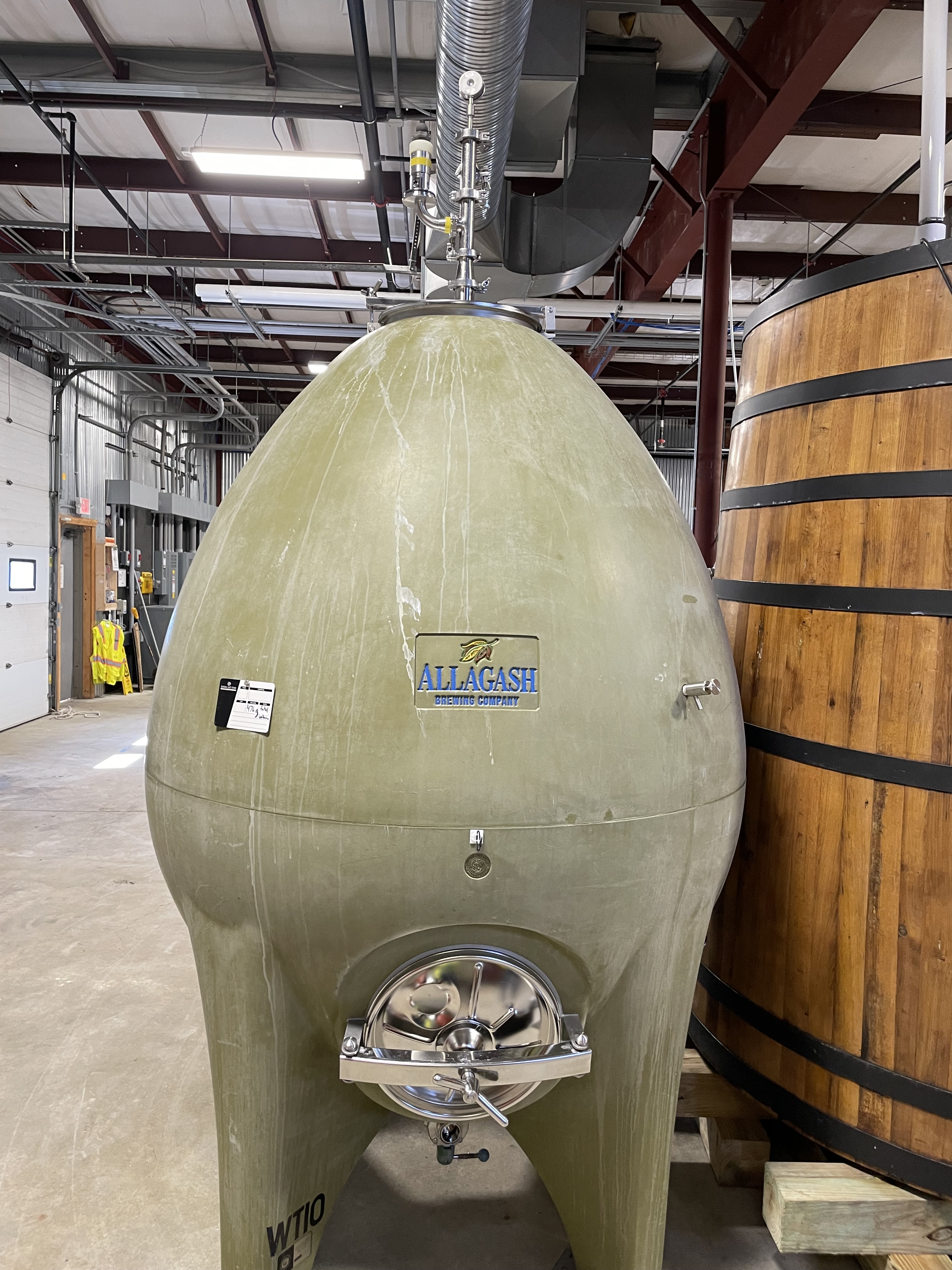
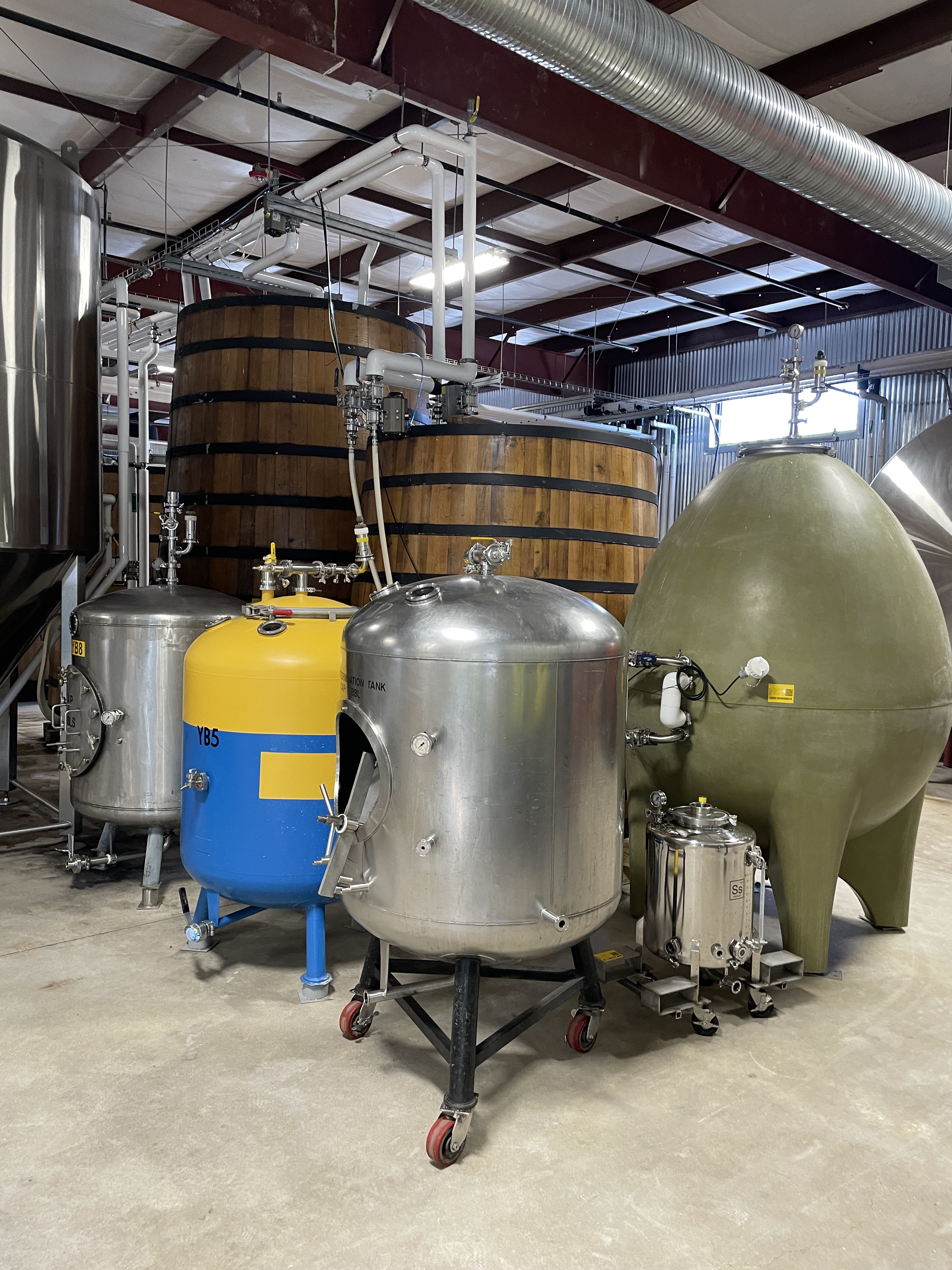
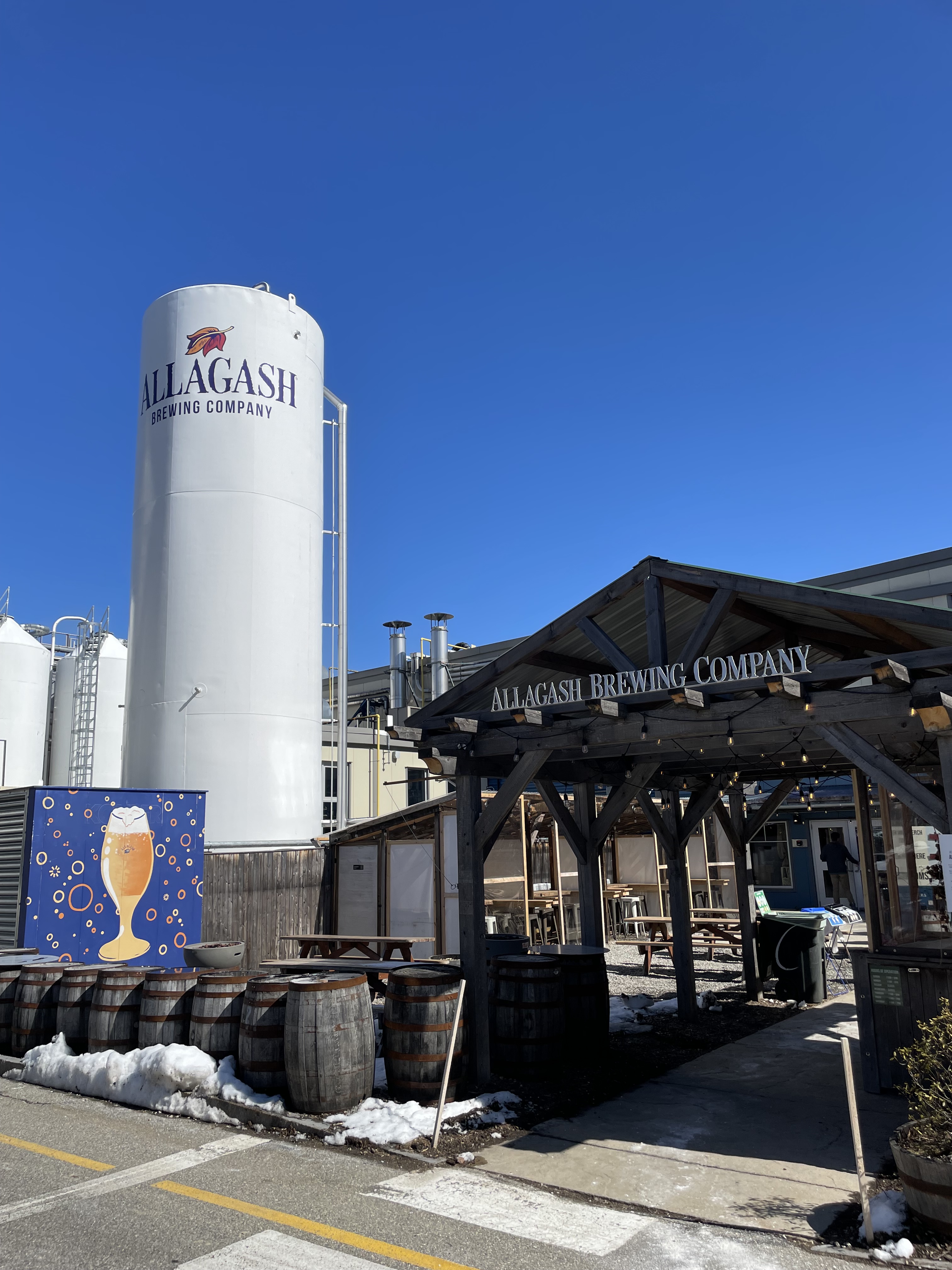
I also got an amazing tour of Allagash Brewing Co. with Branch Rothschild, head brewer, and Hannah Johnson, quality specialist. Allagash is one of the few breweries in the Brewer’s Association 2022 Top 20 Craft Breweries to brew in a single location only. Their massive facility has separate areas for their archetype “clean” beer and innovative “wild” beer. They have a variety of foudres and fermenting vessels, an extensive barrel room, and a coolship shed to capture wild Portland, Maine microflora for their coolship series. Allagash also has a really cool employee-initiated pilot program called From Maine, With Love® where employees submit recipe ideas, they vote on a few at a time, then brew it on a five-gallon homebrew system. They have SS Brewtech Unitanks to ferment the experimental beers that get served only at the brewery. If a beer is really popular and sells well, then it may be bottled or canned and sold for takeaway. The same homebrew-scale pilot system is used to create other experimental beers that end up in distribution across the country. Allagash is also committed to using Maine-grown craft malt, hops, and ingredients as much as possible, which makes for some delicious beer.
The main reason I meandered to Maine was to judge the 2023 Malt Cup Best of Show. The first round Malt Cup judging takes place in the Montana State University Barley, Malt & Brewing Quality Lab where Hannah Turner and their team provide a Malt Certificate of Analysis (COA). This malt quality analysis evaluates both the malted barley and the resulting wort. These data points are used by maltsters, brewers, and distillers alike to know what to expect from a specific type of malt in specific brewing or distilling conditions. There were four malt categories this year: Pale Malt, Pilsen, Light Munich, and Vienna, each with their own specific specs on color, moisture, and chemical composition. Only those with the COA within spec moved on to the second round. In total, 34 malthouses (from six countries, 19 states & three provinces) submitted 90 malts for this first round, and 62 malts moved on to the second round.
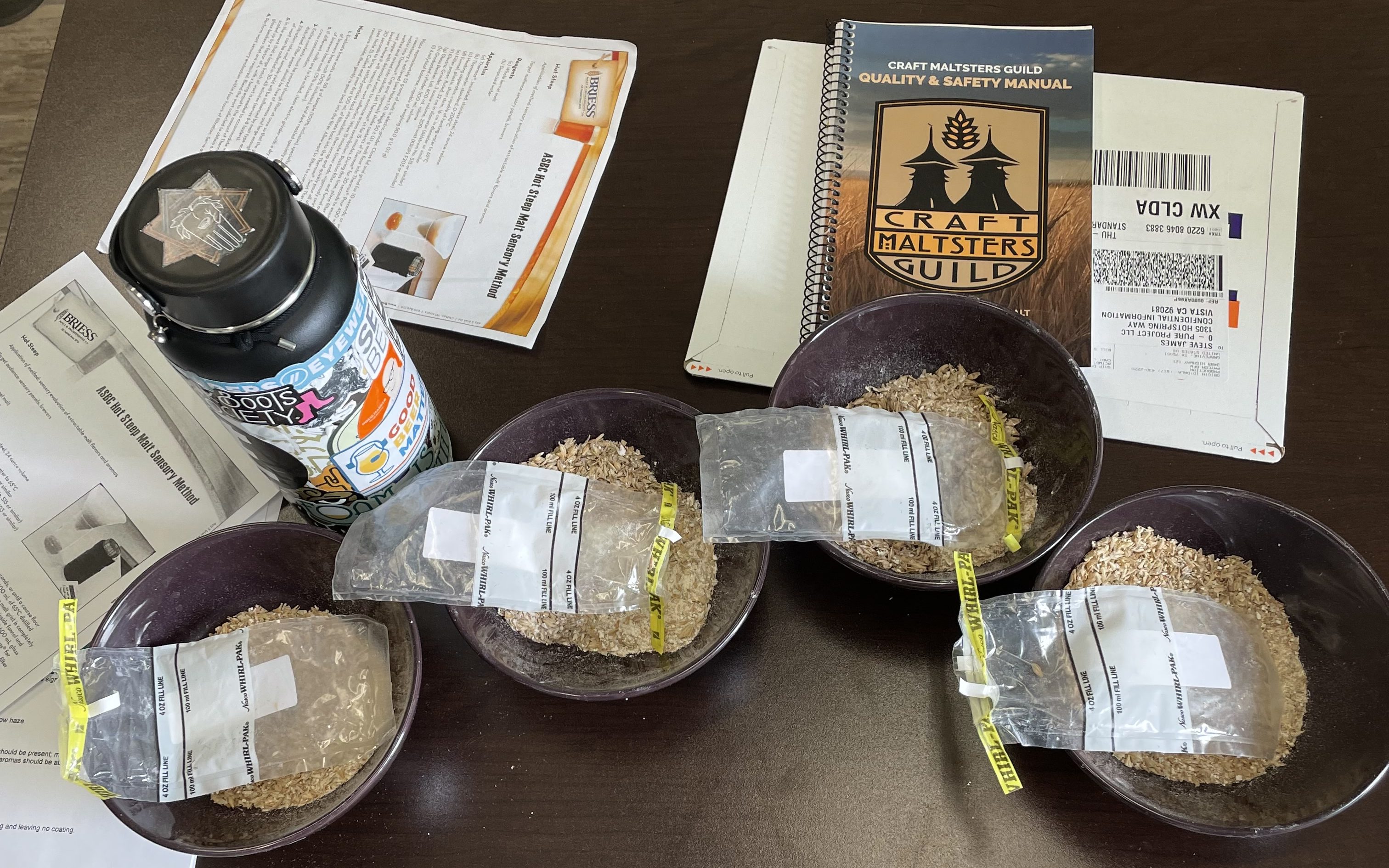
I judged the second sensory round in December 2022 with Chris Leguizamon and Winslow Sawyer at Pure Project in San Diego. We were one of 32 teams who judged the second round remotely. We did not have access to the COAs, but we did have samples of four malts of the same category. We used the American Society of Brewing Chemists (ASBC) Hot Steep Malt Sensory Evaluation Method for sensory analysis and DraughtLab’s Sample Ox app. We used the malt category specs to judge each malt on the overall, hedonic impression (how “good” the malt is based on our sensory impressions and category description). This scale was not now much we “liked” the malt, but how close it aligns to the overall impression from the description (if you do BJCP judging, this is similar to the Overall Impression section of the scoresheet). Then we identified the sensory attributes: Visual, Aroma & Taste, and Mouthfeel. Sample Ox is awesome because it is built on the flavor lexicon that Lindsay Barr and their team developed at DraughtLab (and that you can find on their numerous Flavor Maps). Finally, we ranked the four samples, with the number one moving on to the best of show. It was amazing how different the four samples were from one another, yet we all agreed on the winning sample being hedging out the others as the best: more well-rounded, deeper and more nuanced flavors without astringency. It was a great learning experience for all three of us. Each malt was judged twice during the second round, so in total 171 judges judged 62 malts, of which 26 malts moved on to the third round.
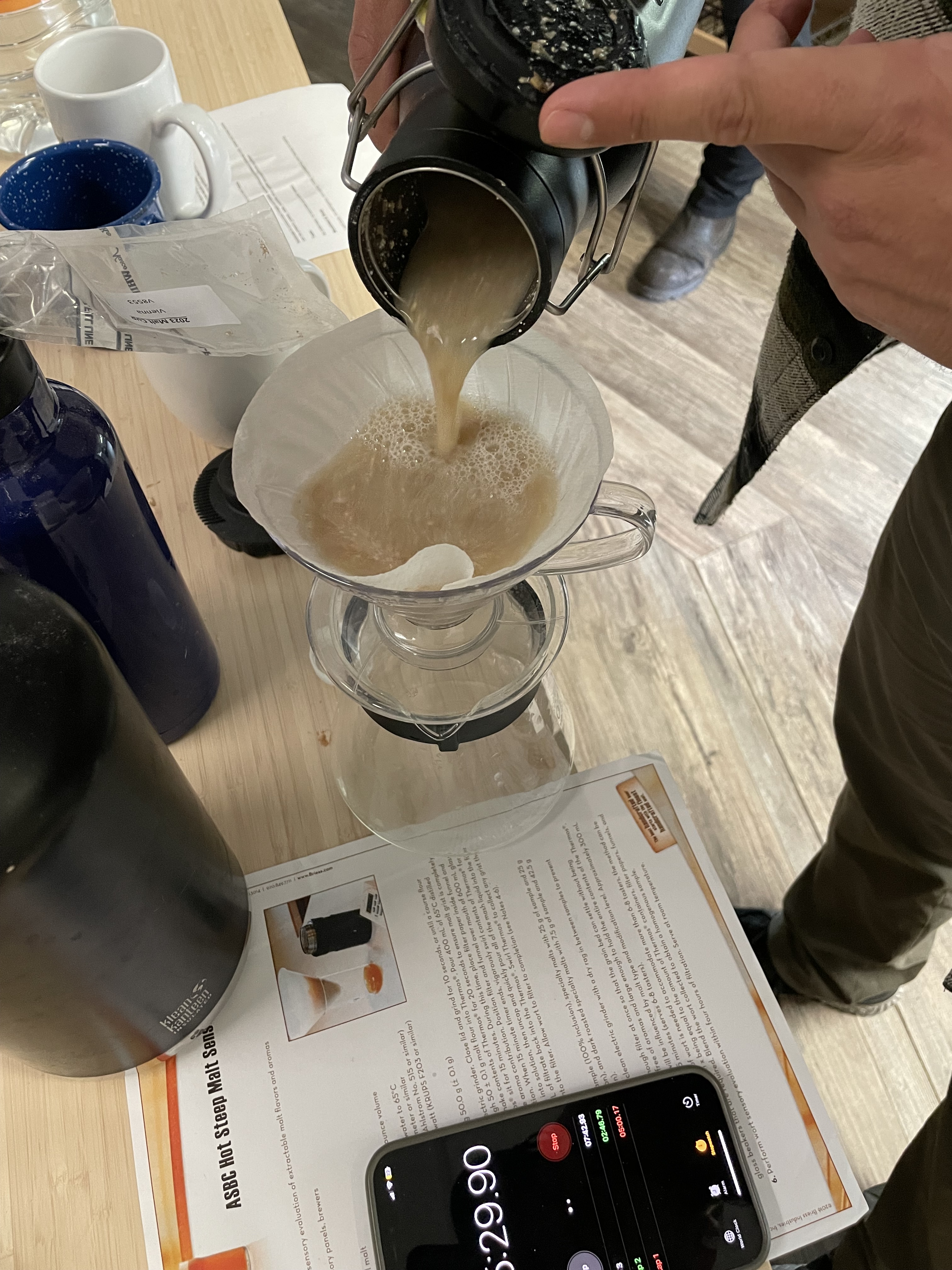
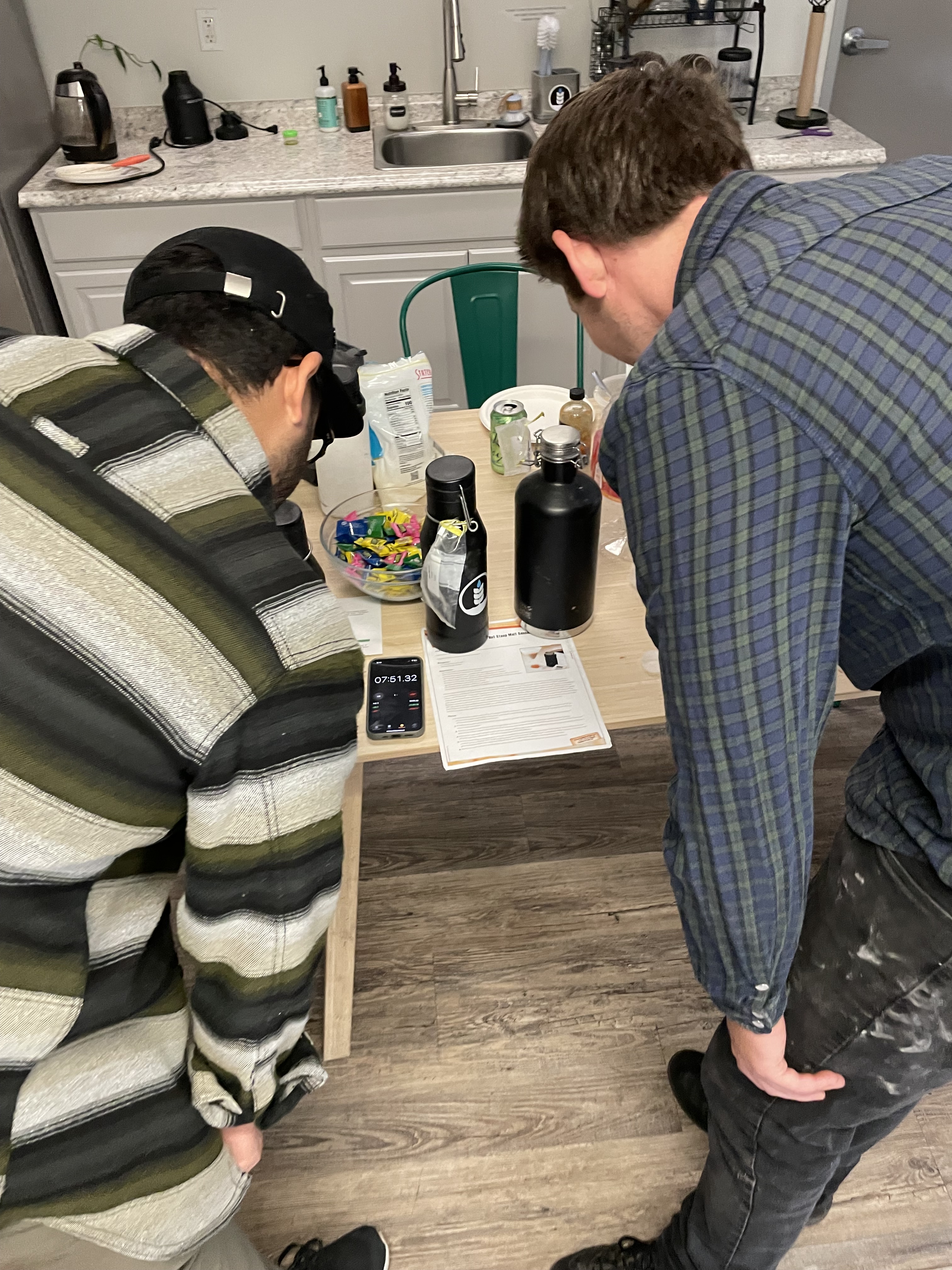
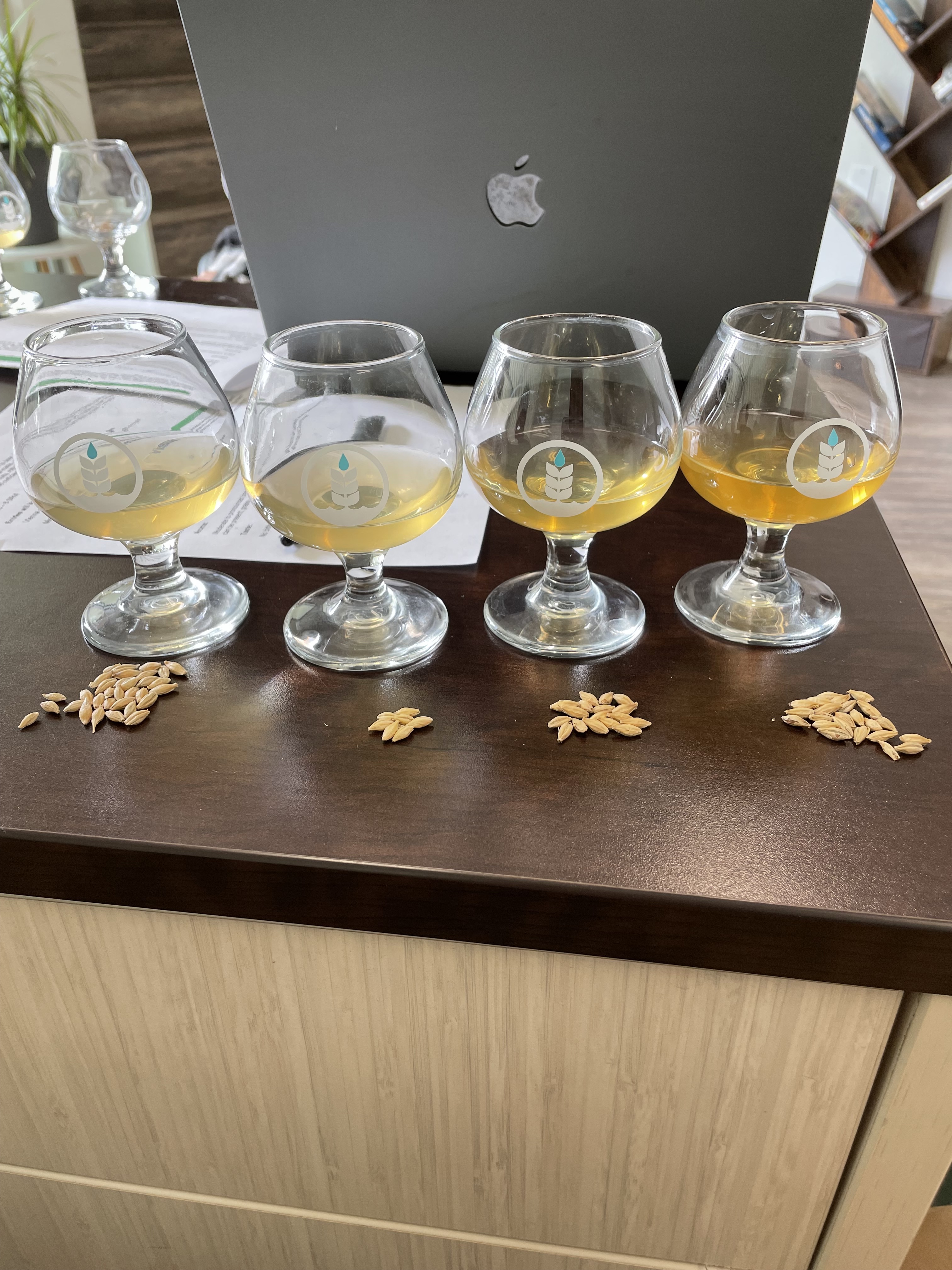
The third round consisted of experienced judges evaluating both the COAs and sensory evaluation. All entries were judged in two locations, so 111 judges in 18 locations judged 36 malts, of which 21 moved on to the Best of Show.
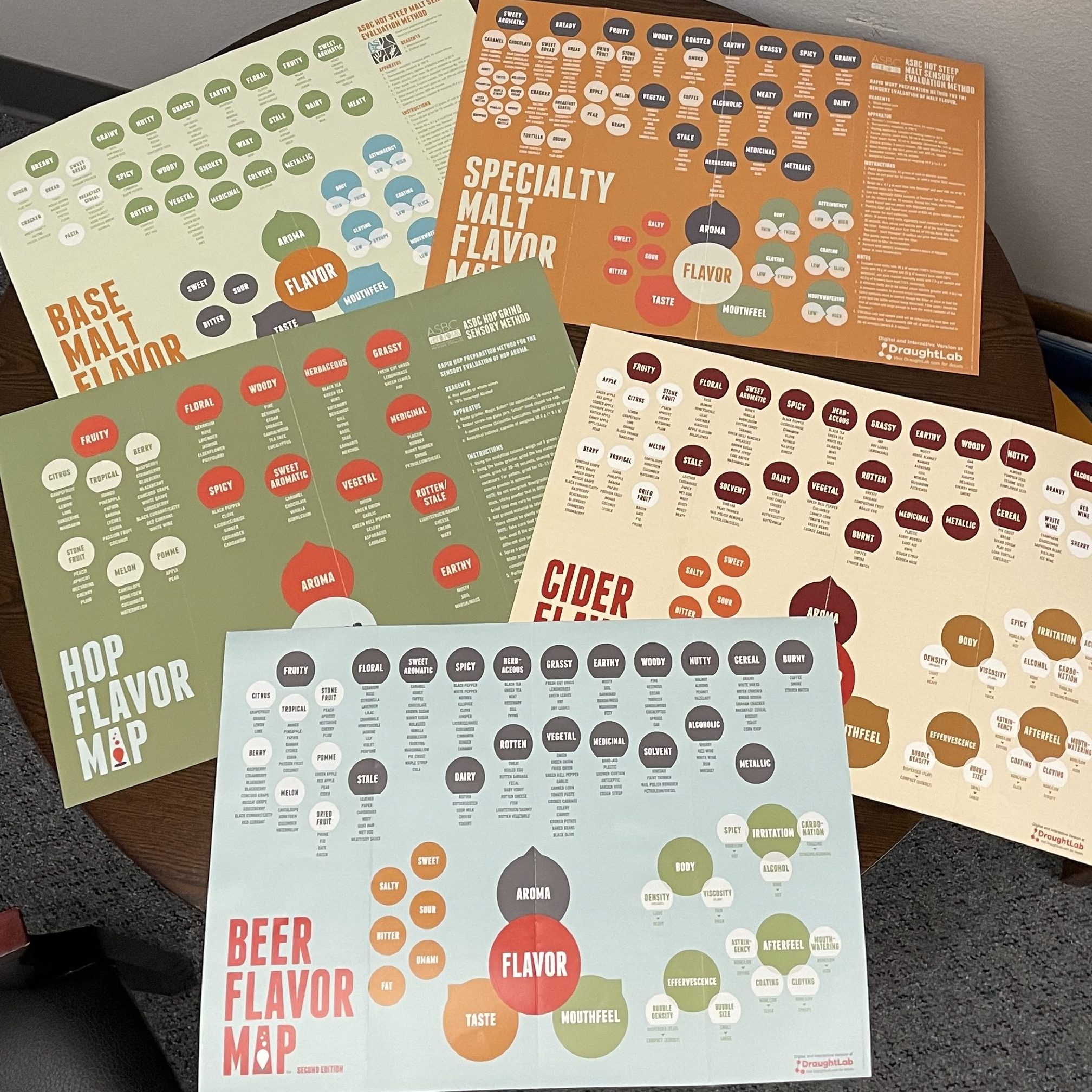
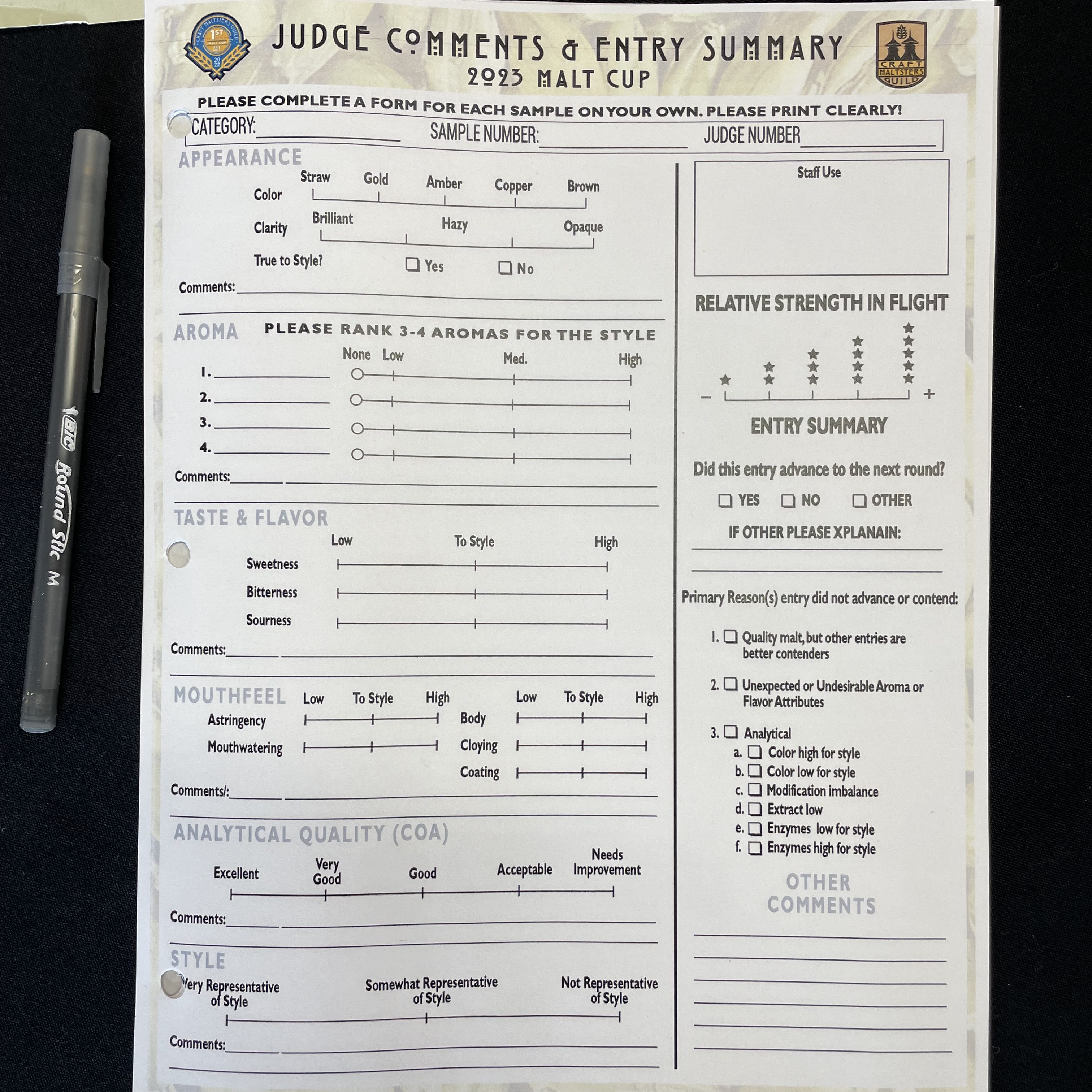
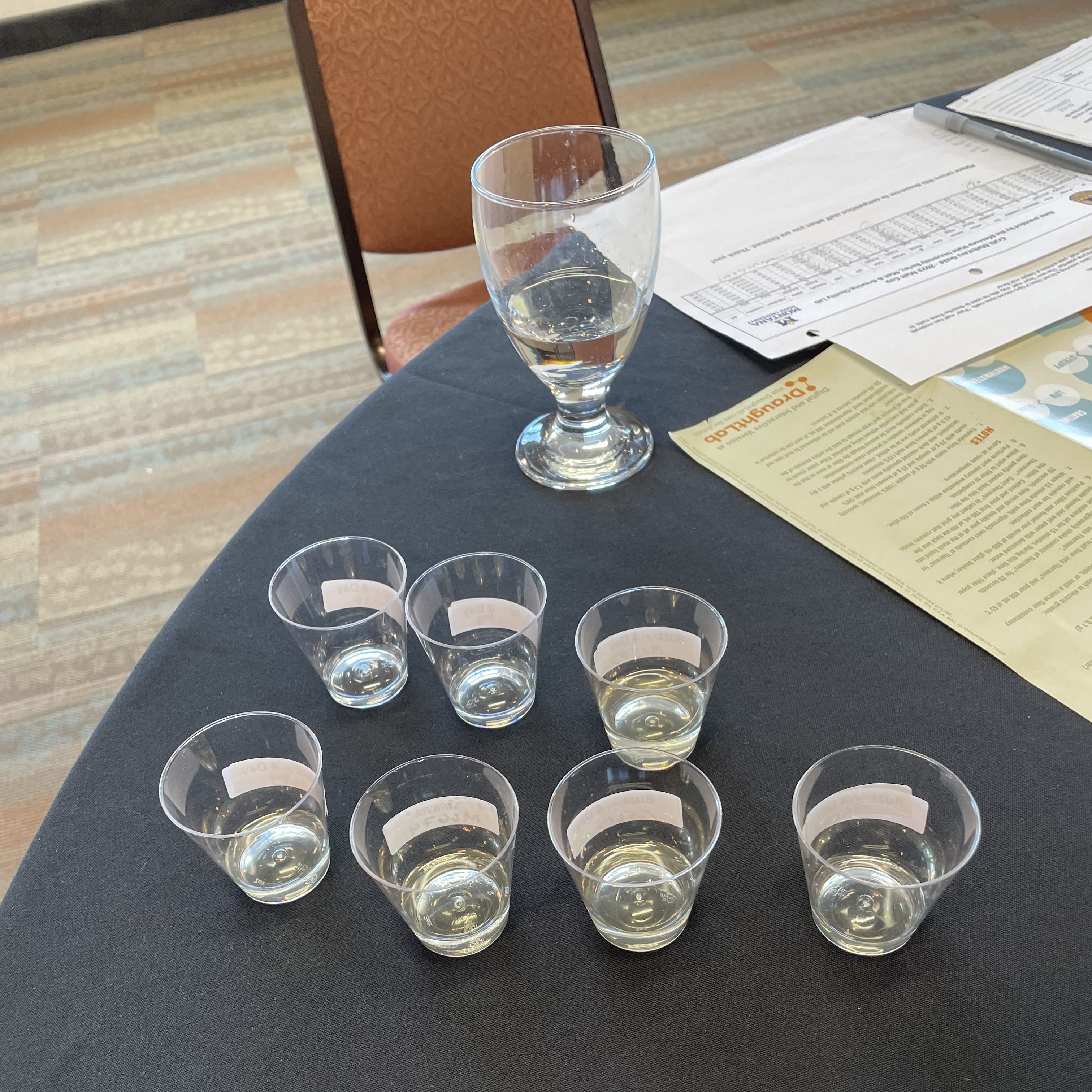
For the Best of Show (BOS) I judged with Jeff Bloem of Murphy & Rude Malting Co. and Jeff Malkiewicz of Great Lakes Malting Co., two highly experienced maltsters. We judged one malt category, and the other three categories were judged by three teams of 11 judges total. We evaluated both the COAs and sensory feedback using paper forms. During the event, Hannah, Lindsay, and their team did the hot steeps for BOS (which is a lot of work). When judging like this, you write down your initial impressions first, then keep going back to the wort (or beer, mead, cider, wine, spirit, etc.) and gather more impressions. Aromas change as the liquid changes temperature, and certain flavors can overshadow more subtle flavors until you can look past them, so many many tiny sips and sniffs are needed to build a full picture of the liquid. You do this yourself in silence, and once everyone’s done completing their scoresheets you discuss as a group your impressions. Since sensory is highly personalized, folks can have physiological deficits or blind spots, or they can be super sensitive to certain chemicals that others may not be aware of. Once we winnowed down who our personal top three were, we ‘negotiated” a bit on the placement. Getting fresh samples of the worts and comparing them again brought out new impressions. In the end, we agreed on the first, second, and third place winners, and the Jeffs and I were excited by the winning malts and were eager to find out who made them.
The 2023 Malt Cup winners were:
- Light Munich:
- Gold: Root Shoot Malting
- Silver: Miller Malting Co.
- Bronze: Blue Ox Malthouse
- Pilsen:
- Gold: Root Shoot Malting
- Silver: Hogarth Malt
- Bronze: Field Five Farm
- Pale Malt:
- Gold: Admiral Maltings
- Silver: Root Shoot Malting
- Bronze: Blue Ox Malthouse
- Vienna:
- Gold: Root Shoot Malting
- Silver: Gallatin Valley Malt
- Bronze: Wyoming Malting Co.
The Best of Show winner was Root Shoot Malting, who had previous won BOS in the inaugural Malt Cup.
The 2019 inaugural Malt Cup featured just Pale Malt with 21 entries, then it slowly grew to the current four malts. Next year it will grow again by adding Wheat Malt to the mix. I’m excited to judge next year, hopefully in person for all sensory rounds in Davis, CA. If you have any judging experience (or would like some) consider volunteering for the Malt Cup as it’s the best run equity-minded competition I’ve experienced. I’m excited to help the Malt Cup continue to grow.
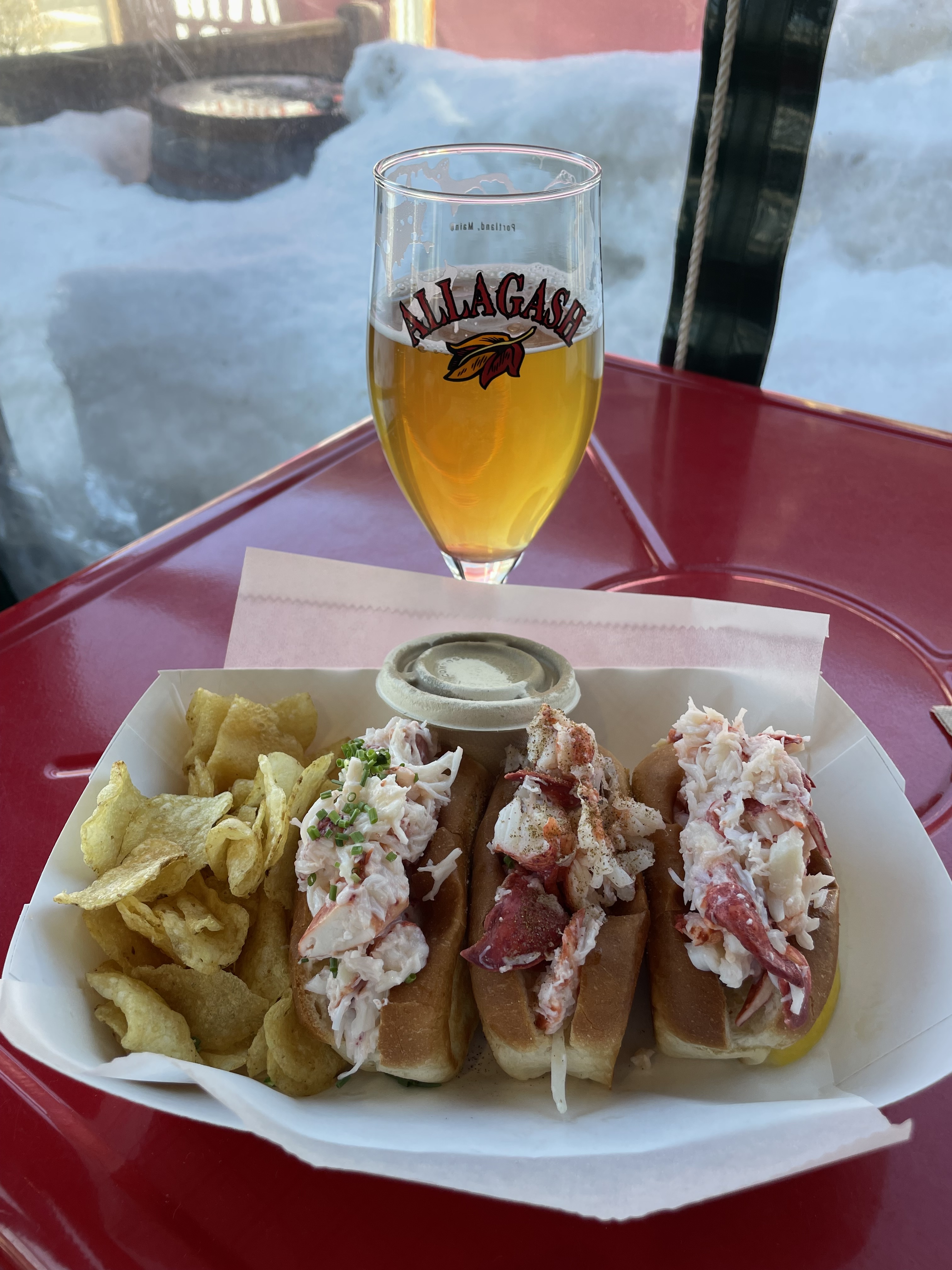
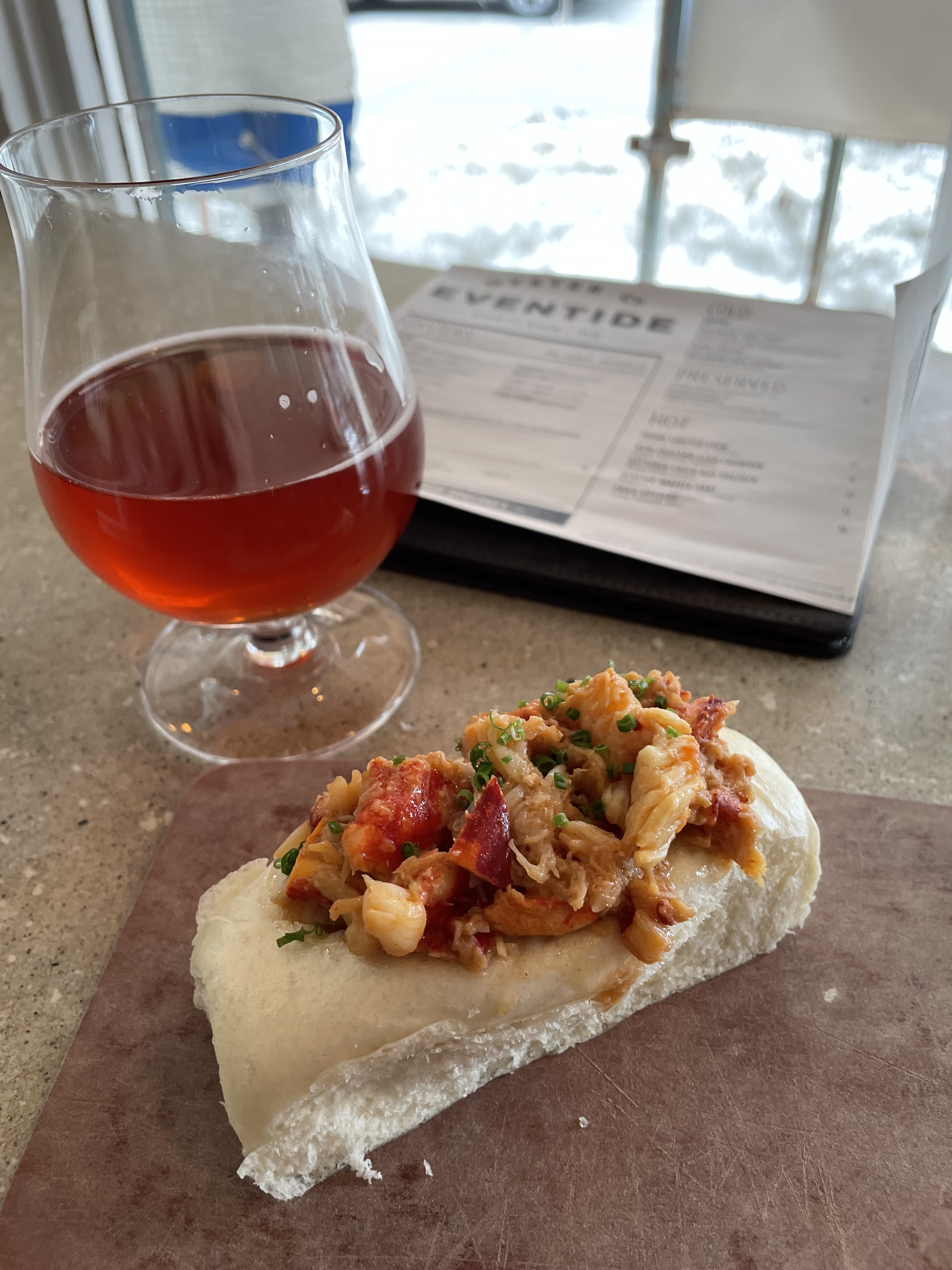
Portland has some amazing food, and I finally got to have ridiculously fresh lobster rolls! Being on the West Coast, I don’t have an ingrained bias on the apparently divisive argument over which lobster roll style is best, so I ended up trying four different versions. Bite Into Maine has a truck permanently parked at Allagash and offers a flight of mini rolls: Maine (cold with mayo and chives), Connecticut (warm with warm butter), and Picnic (cold with coleslaw, butter, celery salt). I paired them with the delicious and sustainable From Maine, With Love #21. All three were delicious, and while I preferred the texture on the warm with butter (sorry Mainers!), I really liked the flavor combo of the picnic roll. Something about the herbal pop of the celery salt, the cold crisp coleslaw, the rich mouthfeel from both the butter and perfectly chilled lobster combined with the pillowy yet crunchy roll, offset by sip after sip of delicate yet palate-cleansing beer just worked beautifully. I am jealous of locals who can enjoy this regularly.
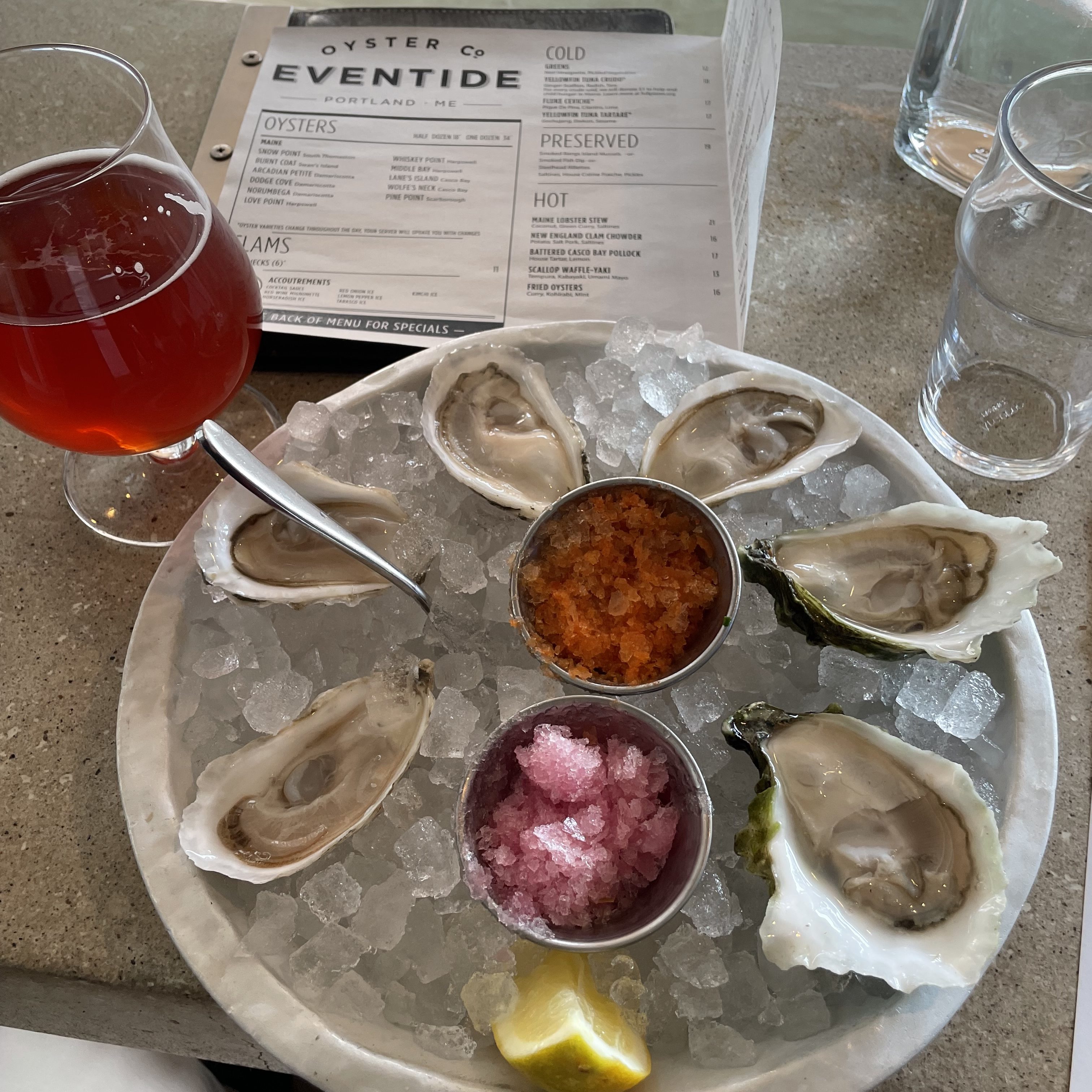
The fourth lobster roll was recommended by Carla Lauter, a great Portland-based beer writer who knows a thing or two about a thing or two. Eventide Oysters Co.‘s unique brown-butter lobster roll featuring a steamed bun (similar to bao) and lovely browned butter. Since it was an indulgent bite, I paired it with some Maine oysters and Oxbow Brewing Co. Penumbral farmhouse ale with cherries and blueberries. The oysters were incredibly fresh and flavorful, and the red wine mignonette ice was a great accoutrement that didn’t overwhelm the briny and sweet shellfish. The kimchi ice was also interesting but a touch too overpowering. Nonetheless, it was a lovely taste of Maine and I hope to bring my family here on a vacation soon.
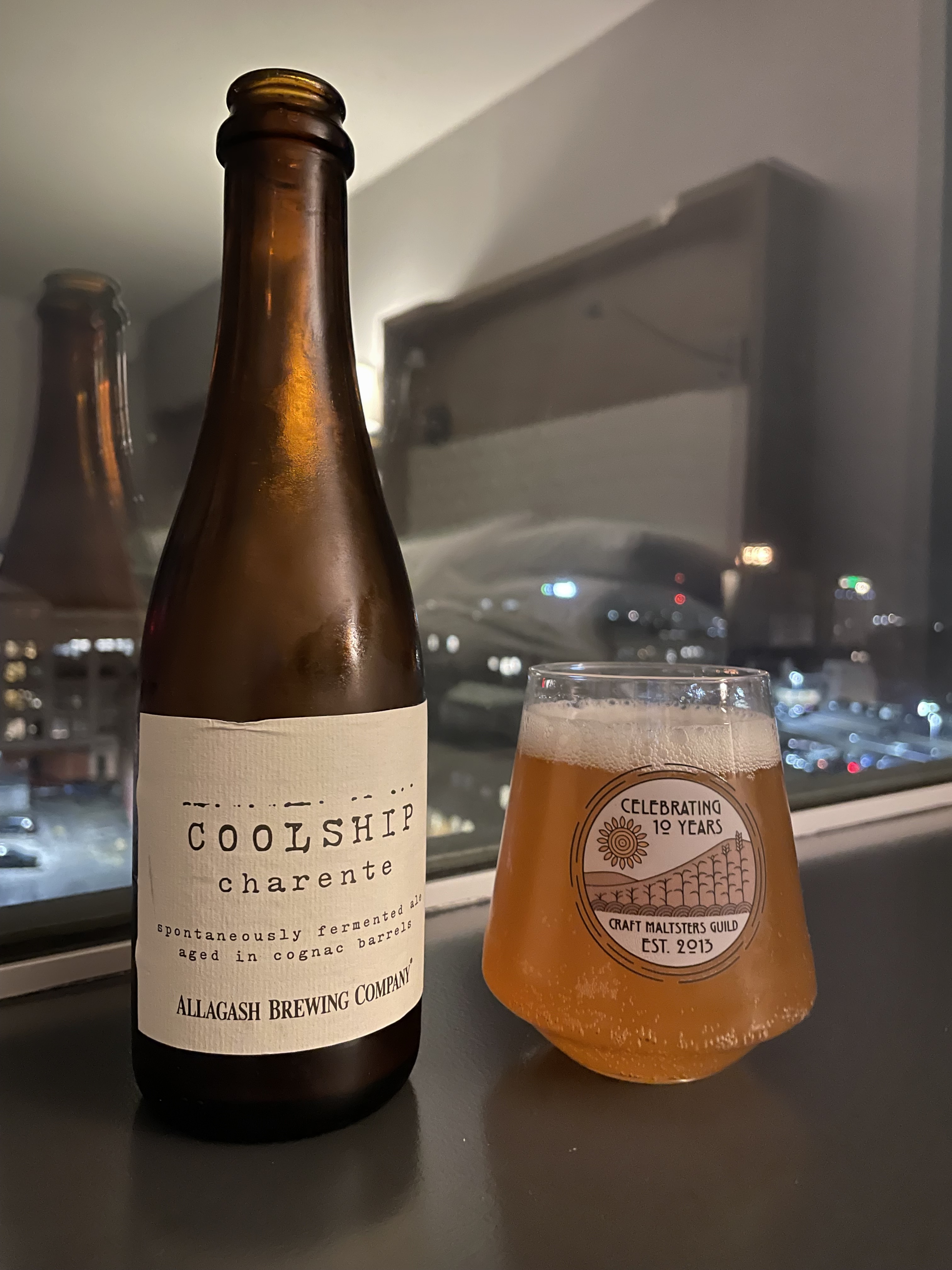
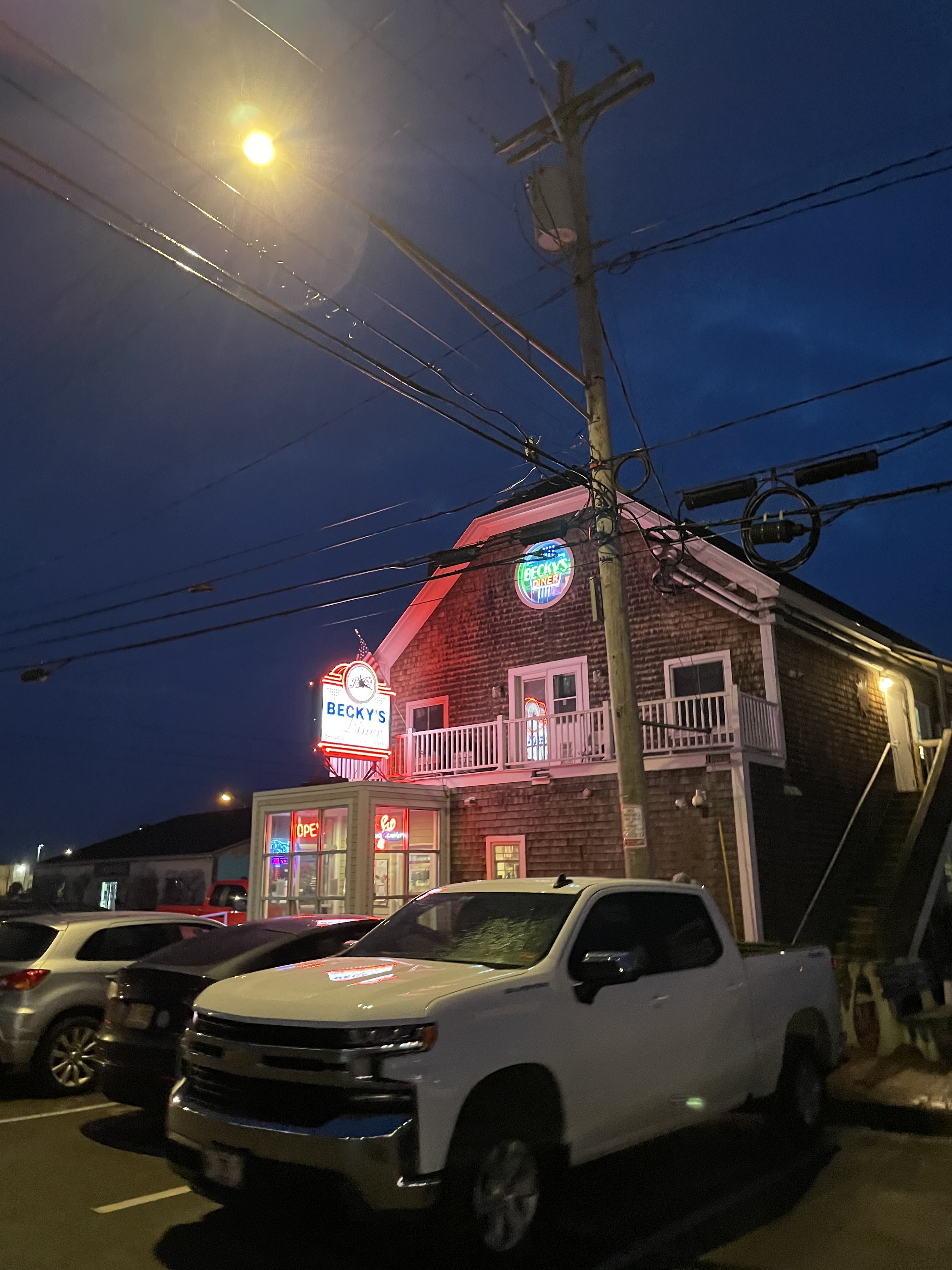
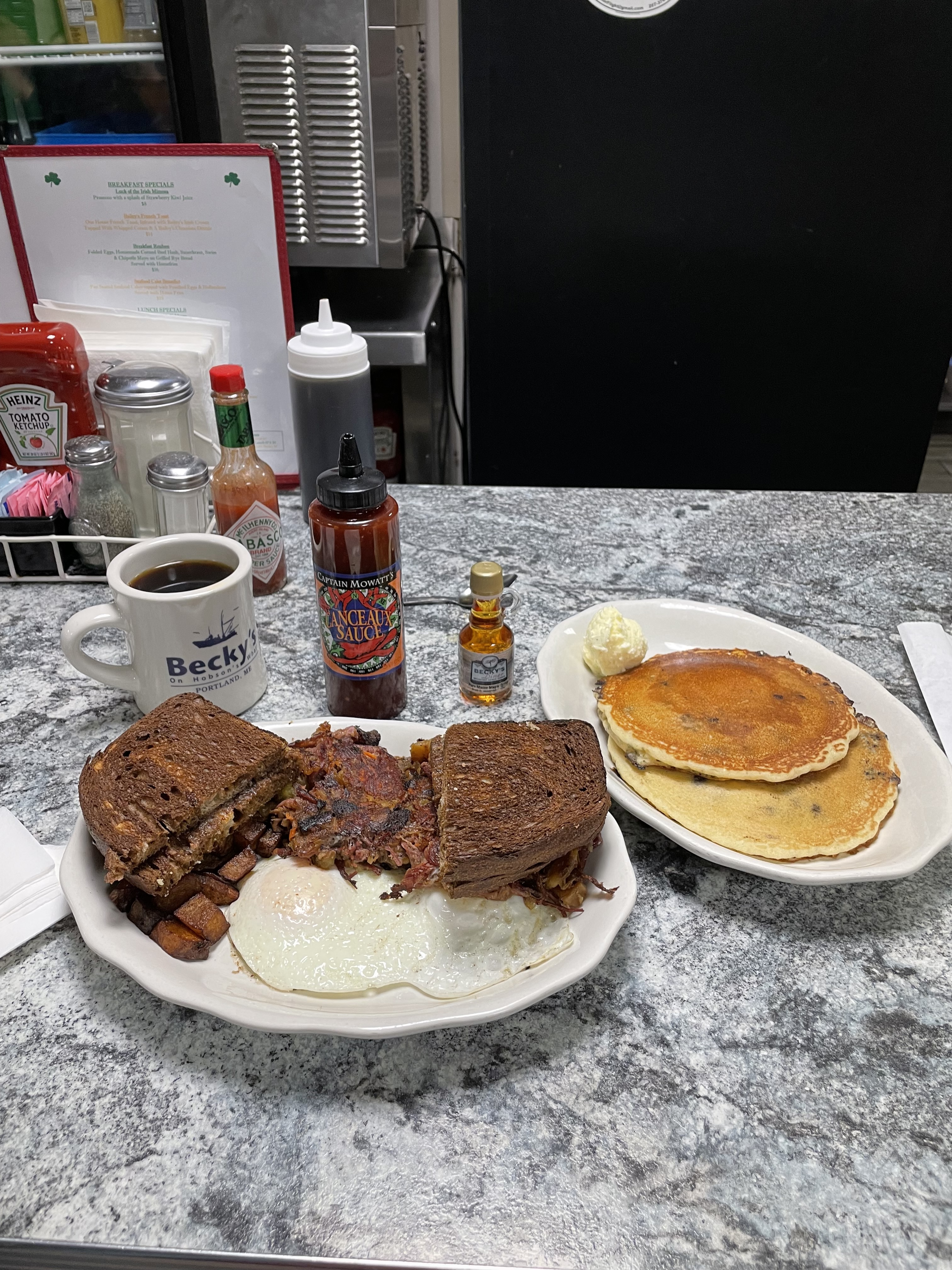
The other big taste of Maine was going to Becky’s Diner at six in the morning. Since it was the day after St. Patrick’s Day (a day I celebrated by drinking an Allagash Coolship Charente and Allagash House beer in my hotel room), I got the house corned beef hash, Maine blueberry pancakes (which are apparently Maine state tradition), Maine maple syrup, and too much other food. It was a hearty way to start a busy final day of my trip. The other food during the trip was mainly at the hotel during the conference, which was unexpectedly tasty as well.
San Diego has had some weird weather this year, and in March it was really bad. My flight to Baltimore-Washington then to Portland was delayed boarding by an hour due to wind, then we sat on the tarmac for 2 more hours. By the time I landed in Baltimore it was after the connecting flight left. So at 11:30pm I was calling car rentals (closed), looking at Amtrak tickets (too late at night), calling my wife at home, and calling Southwest Airlines. Finally, I booked a flight from Baltimore to Boston then an Amtrak ticket to Portland. But the flight left at 6:25am. So I spent the night hunkered down in Terminal A listening to the cleaning crew and the continued alarms and announcements to no one. Fortunately, it was without incident and I stung together a few moments of sleep. The train ride from Boston to Portland was beautiful with the melting snow everywhere. And as I was departing the train I bumped into Lindsay Barr who said they never fly into Portland as the airport is too small with limited service. So now that I know this, the future family vacation will include Boston. The flight back was a drowsy blur.
All told, I left my home on Wednesday 03/15/23 at 9:32am via rideshare, and 2664 miles by plane, 116 miles by train, 28.5 miles by automobile, and 25.5 hours of travel later, I had made it alive and well. And the Malt Cup and Craft Malt Con were definitely worth it. I can’t wait to do it all over again!
 Mural Brewing
Leave a comment